
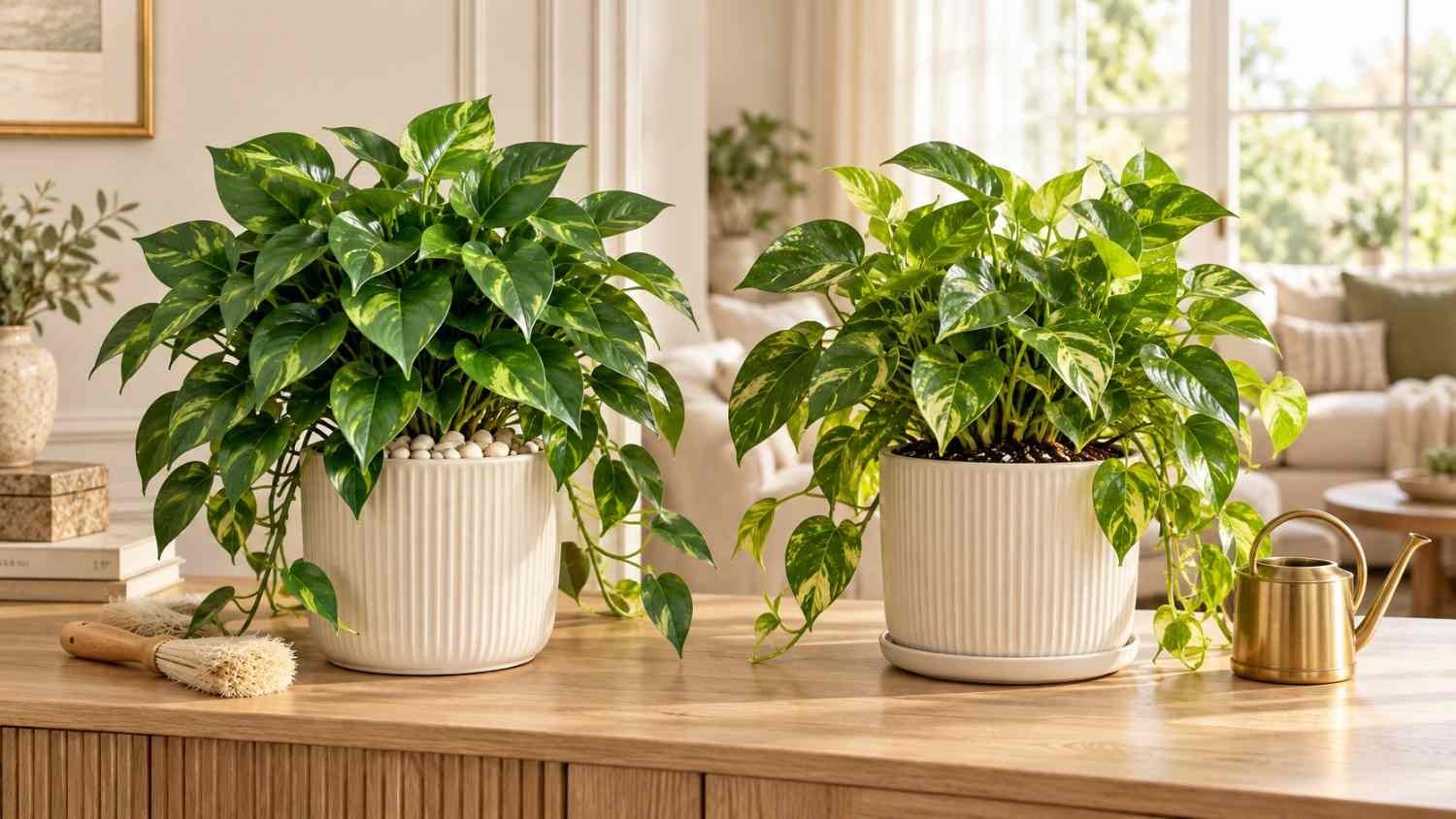
Walk into any home decor store or scroll through Pinterest for five minutes, and you will run into the same debate: should you decorate with real plants or artificial plants? It sounds like a small decision, but it actually shapes how much time, money, and effort your home decor will demand from you for years to come.
This guide breaks down the real differences — no exaggeration, no sales pitch — so you can decide what is genuinely right for your space.
The Quick Answer
If you love greenery but do not have the time, sunlight, or patience to maintain it, artificial plants for home decor are the practical choice. If you enjoy the ritual of caring for something living and do not mind occasional wilting or repotting, real plants win. Most Indian homes today actually use a mix of both — and by the end of this guide, you will know exactly where that mix makes sense for you.
Real Plants: The Case For Them
Why People Still Love Real Plants
- Air purification: Certain real plants genuinely improve indoor air quality by absorbing carbon dioxide and releasing oxygen.
- A living, evolving decor piece: Real plants grow, change, and bring a sense of life to a room that nothing artificial can fully replicate.
- Therapeutic value: Many people find caring for plants genuinely relaxing — a small daily ritual that doubles as stress relief.
Where Real Plants Fall Short
- Maintenance: Watering schedules, sunlight requirements, pest control, and seasonal care add up quickly.
- Not pet or child-friendly: Several common houseplants are toxic if chewed on, a real concern for homes with pets or toddlers.
- Limited placement: Low-light bathrooms, closed offices, or windowless corners simply are not viable for most real plants.
- Inconsistent look: Even well-cared-for plants have off-seasons, yellowing leaves, or uneven growth.
Artificial Plants: The Case For Them
Why Artificial Plants Are Gaining Popularity
- Zero maintenance: No watering, no sunlight requirements, no pest problems — ever.
- Consistent, year-round look: An artificial plant looks exactly as good on day 500 as it did on day one.
- Works anywhere: Dark hallways, closed offices, bathrooms, or that one corner with zero natural light — all fair game.
- Safe around kids and pets: No toxicity concerns, no soil mess, no risk of overwatering damaging your floors or furniture.
- Better long-term value: No recurring costs for soil, fertilizer, or replacing plants that did not survive.
Where Artificial Plants Fall Short
- No air-purifying benefit: They are decor only, not functional for air quality.
- Quality varies a lot: Cheap artificial plants can look plasticky; investing in well-made pieces matters here.
- Occasional dusting needed: They do not need watering, but they do collect dust over time.
Artificial Plants vs Real Plants: A Side-by-Side Look
When customers ask us to settle the real vs artificial plants for home decor debate, it usually comes down to three questions: How much time can you realistically commit to plant care? Does the room even get enough natural light? And do you have pets or young children at home? Answer those honestly, and the choice becomes obvious.
Best Rooms for Artificial Plants
Certain spots in the home are simply better suited to low-maintenance artificial plants for indoor decor:
- Bathrooms: High humidity and low light make this one of the toughest spots for real plants to survive.
- Home offices and study corners: A tidy, dust-free artificial plant keeps the desk looking fresh without daily upkeep.
- Entryways and hallways: Often low on natural light, but high on visibility — exactly where consistency matters most.
- Dining tables and centrepieces: Paired with a decorative vase, an artificial arrangement stays picture-perfect for every meal, not just the ones right after you water it.
Best Rooms for Real Plants
- Balconies and sunlit windowsills: Where natural light and airflow are already ideal.
- Kitchens: Herbs and small potted plants thrive here and are genuinely useful.
- Living rooms with big windows: If the light is right, a real plant becomes a striking, ever-changing focal point.
Styling Tip: Pairing Plants With the Right Vase
Whichever you choose, the container matters as much as the plant itself. A tall inverted U-shape vase suits minimalist, modern interiors, while a rounded donut vase or a sculptural oval-shape vase adds a more artistic, gallery-like feel. Explore the full vases collection to find a pairing that matches your existing decor.
Cost Comparison: What You Actually Pay Over Time
On paper, a real plant often costs less upfront than a well-made artificial one. But that changes once you factor in the full picture. Real plants come with recurring costs — fertilizer, replacement pots, pest treatments, and occasionally replacing a plant that simply did not survive. A quality artificial plant for home decor is a one-time purchase that keeps its value for years, often working out cheaper in the long run, especially for people who travel often or forget to water on schedule.
Which Option Is More Eco-Friendly?
This one is genuinely nuanced. Real plants support biodiversity and can improve indoor air quality while they are alive, but they also require water, soil, and sometimes plastic pots that get discarded. Artificial plants use no water or fertilizer over their lifespan and, since a good one lasts for years without needing replacement, they avoid the repeated production and disposal cycle of plants that do not survive. Neither answer is perfect — it depends more on how long each option actually lasts in your specific home.
Our Honest Recommendation
You do not have to pick a side permanently. A popular, practical approach among our own customers is mixing both: real plants in bright, easy-to-maintain spots like a balcony or kitchen window, and high-quality artificial plants everywhere else — hallways, bathrooms, office desks, and dining centrepieces. You get the best of both: genuine greenery where it thrives naturally, and consistent, low-effort beauty everywhere else.
Frequently Asked Questions
Do artificial plants look fake up close?
Good-quality artificial plants, especially those with realistic textured leaves, are very difficult to distinguish from real ones at normal viewing distance. Cheaper, glossy plastic versions are the ones that give artificial plants a bad reputation.
Are artificial plants safe for homes with pets?
Yes — this is actually one of their biggest advantages. Many common houseplants are mildly to seriously toxic if pets chew on them, while artificial plants remove that risk entirely.
How do I clean an artificial plant?
A soft duster or a quick rinse under lukewarm water (for washable varieties) every few weeks keeps them looking fresh.
Final Thoughts
There is no universally “correct” choice between real and artificial plants — only what fits your lifestyle, your lighting, and how much time you genuinely want to spend on upkeep. If low maintenance and year-round consistency matter most, browse our artificial plants collection and pair your favourite piece with a vase that completes the look.
